RESEARCH
Infinite Loops: Acrylic Plastic Gets a Second Chance
University of Bath researchers have found a way to recycle acrylic plastic infinitely, without quality loss, using lower heat and greener solvents.
19 Jun 2026
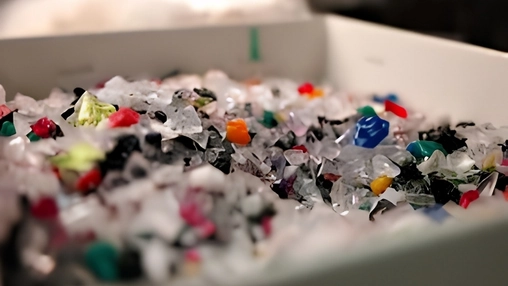
Scientists at the University of Bath have developed a chemical recycling method capable of breaking down acrylic plastic into reusable monomers without any degradation in quality, an advance that researchers say could bring genuine circularity to industries long dependent on virgin materials. The study, published in Nature Communications on April 2, 2026, describes a process applicable to polymethyl methacrylate, or PMMA, the compound found in automotive components, medical devices, and consumer goods worldwide.
At the core of the method are lower processing temperatures and sustainable solvents, which together reduce the energy demands that have historically made chemical recycling economically marginal. Earlier approaches, which relied on high heat or ultraviolet activation, could not reliably preserve monomer purity across repeated cycles. This process, researchers said, can operate in continuous loops without measurable loss of material quality, a distinction that sets it apart from existing alternatives.
Dr. Jon Husband, the lead researcher at Bath's Institute of Sustainability and Climate Change, said the technique allows high-quality monomers to be recovered from used PMMA, offering what he described as genuine circularity in acrylic materials. For manufacturers, the economics could shift materially: raw material costs would fall with each cycle of recovered feedstock, and the volume of acrylic waste destined for landfill would shrink as adoption widens. Hazardous byproducts common in conventional chemical recycling facilities are also reduced through the use of sustainable solvents, analysts noted.
Timing amplifies the significance of the finding. Europe has accelerated its circular economy regulations, pressing manufacturers to demonstrate measurable emissions reductions across supply chains, and acrylic plastic has remained one of the more stubborn materials to address at scale. Pilot trials are now expected, with researchers suggesting commercial deployment could be feasible within the decade. Whether industry moves quickly enough to meet tightening regulatory timelines may determine how broadly this advance reshapes material production.
Related News


SUBSCRIBE FOR UPDATES
By submitting, you agree to receive email communications from the event organizers, including upcoming promotions and discounted tickets, news, and access to related events.