PARTNERSHIPS
Scale or Exit: Borouge International's NOVA Deal Sets New Rules
Borouge International's acquisition of NOVA Chemicals signals a consolidation wave reshaping North American petrochemical supply chains
14 Apr 2026
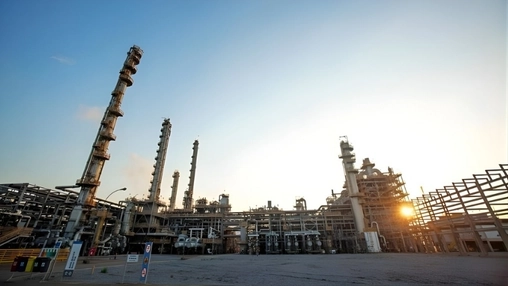
When Borouge International closed its $13.4 billion acquisition of NOVA Chemicals in April 2026, it wasn't just buying capacity. It was drawing a new competitive boundary for everyone else in the market.
The deal fuses the petrochemical assets of OMV and ADNOC's international arm XRG under one roof, creating the world's fourth-largest polyolefins producer by nameplate capacity. Combined revenues are projected at $19 to $20 billion for 2026, with over $500 million in annual synergies expected, most of them captured within three years.
NOVA brought serious industrial weight to the table. With 2.6 million metric tons of annual polyethylene capacity, it has long been a critical feedstock supplier to US manufacturers in packaging, construction, and consumer goods. That supply chain significance now sits inside a global platform with hubs across North America, Europe, and Asia, giving Borouge International the kind of reach that mid-sized regional players simply can't replicate.
Timing matters here. West Texas Intermediate crude has been hovering near multi-year lows, and the IEA projects a global supply surplus of 3.8 million barrels per day through 2026. That combination is quietly brutal for operators who lack chemical integration or reliable export infrastructure. Gulf Coast analysts have been flagging the pressure building among mid-sized refineries for months, and PwC's 2026 chemicals deal outlook confirms the trend: strategic buyers are prioritizing feedstock flexibility and conversion efficiency above almost everything else.
The Borouge International move puts a number and a name to what has largely been a structural conversation. Vertical integration and access to advantaged feedstocks are no longer differentiators. They are entry requirements. In a market thinned by oversupply, compressed crack spreads, and rising capital demands, undercapitalized players are running out of room to maneuver. The consolidation wave that analysts spent years predicting has stopped predicting and started arriving.
Related News


SUBSCRIBE FOR UPDATES
By submitting, you agree to receive email communications from the event organizers, including upcoming promotions and discounted tickets, news, and access to related events.