PARTNERSHIPS
Two Giants Take Over Houston's Plastic Recycling Hub
ExxonMobil and LyondellBasell take joint control of Houston's Cyclyx facility, reshaping Gulf Coast plastic feedstock supply
7 Feb 2026
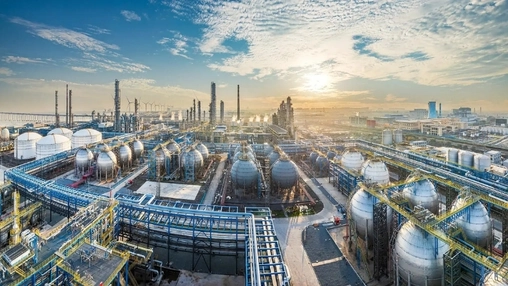
When your partner decides to move on, you adapt. That's exactly what ExxonMobil and LyondellBasell did in February 2026, absorbing full joint ownership of the Cyclyx Circularity Center in Houston after Agilyx restructured its US operations and stepped back from the original three-way venture.
The Houston facility was always the crown jewel of that arrangement. Designed to process around 300 million pounds of post-use plastic feedstock annually, it feeds directly into the chemical and petrochemical operations both companies run across the Texas Gulf Coast. Losing a partner didn't mean losing momentum.
ExxonMobil has been scaling fast. Its Baytown and Beaumont sites are on track to hit 500 million pounds of annual chemical recycling capacity, and the Houston plant keeps that supply chain intact. LyondellBasell, meanwhile, has made circular feedstock integration central to its downstream strategy rather than a side project.
What makes the facility worth fighting for is its sorting logic. A proprietary system analyses post-use plastics by chemical composition, then routes each batch to the most suitable mechanical or advanced recycling pathway. It's a more sophisticated approach than simply blending waste streams and hoping for the best, and it mirrors a broader shift reshaping Gulf Coast refining: squeezing maximum chemical value from alternative feedstocks rather than depending entirely on crude.
The split is clean. Agilyx retains full ownership of the second planned Cyclyx site in Dallas-Fort Worth, while ExxonMobil and LyondellBasell concentrate their circular strategy through Houston. Both sides walk away with something useful.
The bigger signal here is structural. The two-company model is replacing the diffuse multi-party joint venture as the preferred vehicle for feedstock partnerships among US integrated majors. Tighter ownership, clearer accountability, and a shared stake in making the economics work. On the Gulf Coast, that's increasingly what durable supply chain strategy looks like.
Related News


SUBSCRIBE FOR UPDATES
By submitting, you agree to receive email communications from the event organizers, including upcoming promotions and discounted tickets, news, and access to related events.