REGULATORY
Biofuel Quotas Hit an All-Time High. Now What?
The EPA's finalized RFS Set 2 rule sets record biofuel volumes for 2026-27, forcing US refiners into a costly compliance reckoning
28 Mar 2026
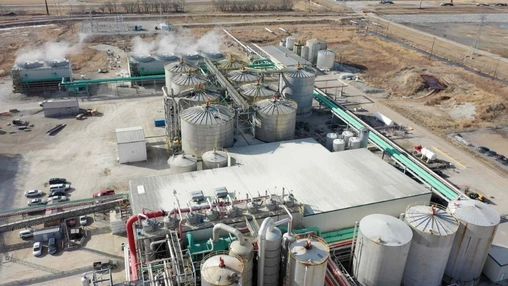
The paperwork was signed on 27 March 2026, but the real work starts now. The US Environmental Protection Agency's finalized Renewable Fuel Standard "Set 2" rule locks in record biofuel volume requirements for both 2026 and 2027, and the downstream energy sector is already absorbing the implications.
The numbers are significant. Total mandated volumes reach 26.81 billion RINs in 2026, climbing to 27.02 billion in 2027, the highest targets in the program's two-decade history. The rule also reallocates 70% of volumes previously waived under small refinery exemptions across compliance years 2023 through 2025, widening the obligation pool industry-wide. In the same stroke, renewable electricity was removed from the program entirely, eliminating EV charging RINs and steering compliance back toward liquid biofuels.
For refiners with integrated petrochemical operations, the timing is awkward. Crude-to-chemicals strategies are already reshaping investment decisions across the Gulf Coast, and the new rule adds another layer of complexity. Facilities that once benefited from small refinery exemptions now face materially larger obligations, reshuffling both operating costs and long-term capital plans.
Industry groups have not stayed quiet. The American Fuel and Petrochemical Manufacturers warned that the exemption reallocation distorts competition, penalizing refiners that met their obligations while rewarding those that received waivers. The American Petroleum Institute offered a more measured take, acknowledging the regulatory clarity the rule provides while flagging the reallocation mechanism as a market distortion requiring a legislative fix. Both groups agree on one thing: compliance costs will filter through to fuel and petrochemical pricing as the year unfolds.
There is no pause coming, either. The EPA has signaled it will move directly into Set 3 rulemaking once Set 2 concludes. For operators trying to plan around crude-to-chemicals integration, the message is clear. Regulatory risk is no longer a downstream variable to be managed later. It belongs at the center of capital planning, right from the start.
Related News


SUBSCRIBE FOR UPDATES
By submitting, you agree to receive email communications from the event organizers, including upcoming promotions and discounted tickets, news, and access to related events.